

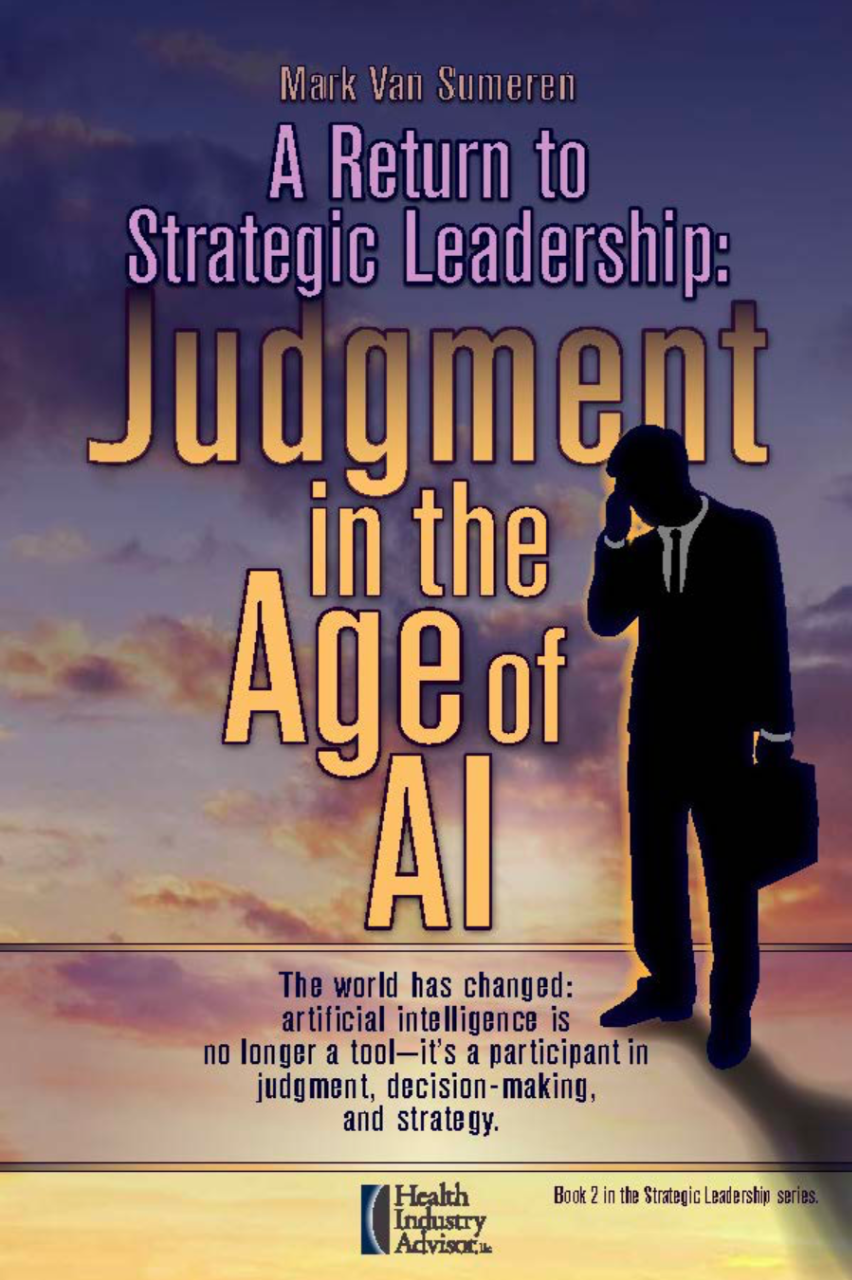
Reasons to read this book / Why This Book Matters Now
"A Return to Strategic Leadership may well become the defining leadership parable of the AI era." - Kevin von Keyserling
1. AI is moving faster than most people can think.
The book gives you a front-row seat to what that speed actually feels like inside organizations that aren’t ready for it. Instead of hype, you see the real tension leaders face when change stops knocking and starts kicking in the door. It’s a clear look at how quickly the ground can shift under your feet.
2. It shows what happens when AI stops being an idea and starts shaping real decisions.
The story takes you inside rooms where judgment, pressure, and uncertainty collide with machine-generated answers. You watch people try to hold on to their instincts while the system rewrites the pace of strategy. It’s not theory; it’s how leadership feels when AI becomes part of the team.
3. It offers a hopeful path for anyone worried about being replaced.
The book makes a simple point: human judgment still carries weight, even when machines are everywhere. It shows how meaning, context, and courage remain the real differentiators. If you’ve felt uneasy about the future, this gives you a reason to breathe again.
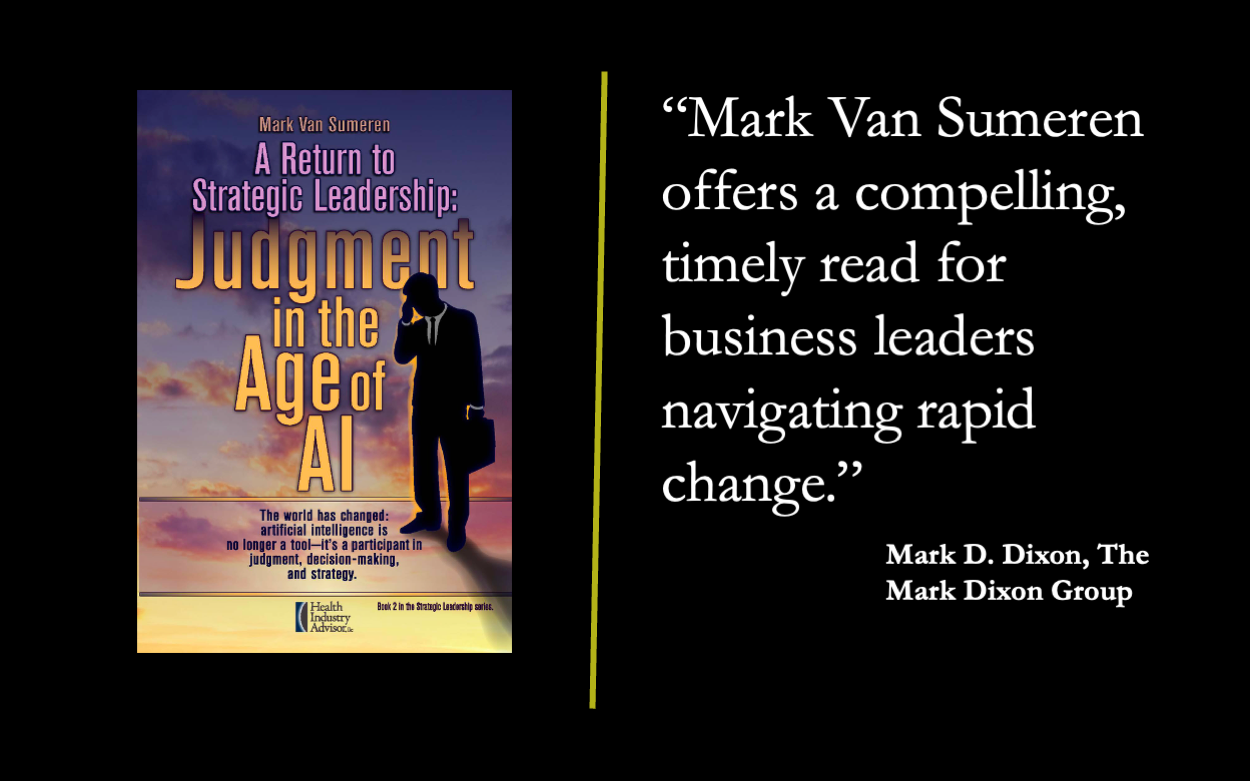
Why This Book Matters Now
Artificial intelligence is no longer a distant idea. It has moved into everyday decisions, from boardrooms to hospitals to classrooms. Businesses are scrambling to keep up, and many leaders are discovering that the real disruption is not the technology itself. It is the speed at which it forces people to rethink how they work, what they value, and how they make choices under pressure.
This book follows that shift through the story of a consulting firm caught between its legacy and a fast-moving AI rival. The narrative makes the stakes real. You see how fear, pride, and ambition collide with algorithms that work in minutes instead of months. You watch people who once felt secure suddenly wonder if their judgment still matters.
The book also offers something unusual in the current wave of AI writing: hope grounded in experience. It shows that human judgment still has power when it is practiced with care, context, and curiosity. The story makes a case for leaders who know how to ask better questions, not just generate faster answers. It reminds readers that technology can support wisdom, but it cannot replace it.
Most of all, this book matters because every industry is standing at the same crossroads. The choices leaders make now will define whether AI becomes a tool for progress or another force that erodes trust. The story gives readers a way to think about those decisions with clarity instead of panic. It argues that renewal is possible if we are willing to confront what we have ignored, learn what we have forgotten, and act with a courage that machines cannot imitate.
BUY at